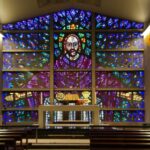
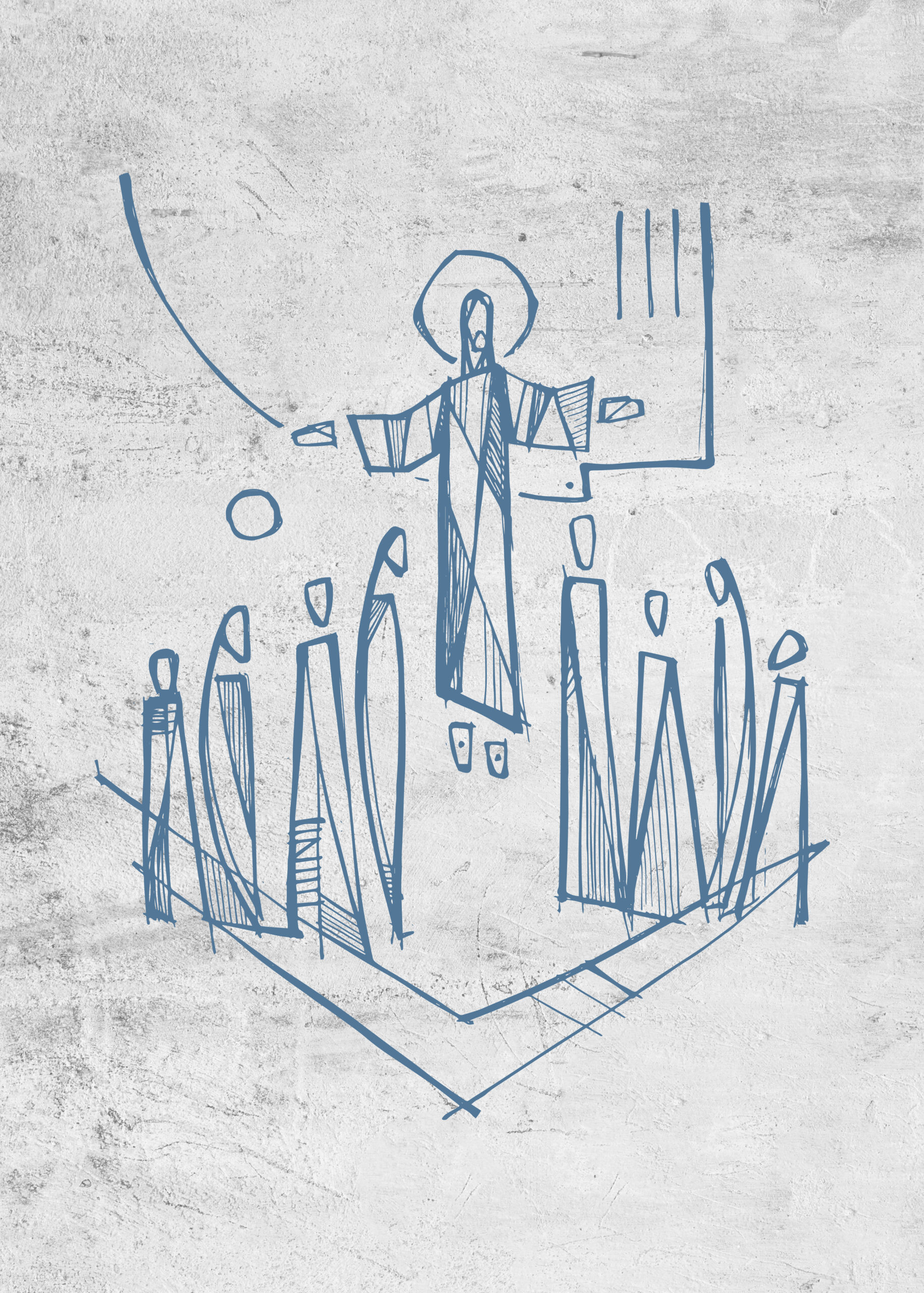
 On Ascension Day (Thursday this week) Christians will open Luke’s gospel or his Acts of the Apostles and read the story of the glorious ascension of Christ. The gospel of John also closes with glory – when Jesus calls triumphantly from the cross ‘It is finished’. But it’s hard to think of Jesus’ glory at the same time as his death. So Luke makes it easy, by separating the death from the glory. And it’s Luke’s story, not John’s, that comes to mind on Ascension Day.
I’m grateful that the gospel has come down to us in written form. The Ascension isn’t a serious challenge to the filmmaker, of course. The ‘Special Effects’ department can easily depict a levitation and the resulting shots seem unremarkable and even ludicrous. The Ascension isn’t meant to show us that God can defy science. No. The laws of physics are miraculous in themselves. In A Brief History of Time, Stephen Hawking wrote that ‘if the rate of expansion one second after the Big Bang had been smaller by even one part in a hundred thousand million million, the Universe would have re-collapsed before it ever reached its present size’. Now that’s what I call a miracle!
The gospels that begin with Jesus’ birth and close with his Ascension are glowing with glory. Yes. Even his passion and death are glorious, when seen from an Ascension perspective. Heaven and earth are one. Faith and science tell a single story. The law of physics tell out in the universe, what the gospels proclaim: that there’s a law of gravity that’s inexorably drawing us back towards the love of God at the heart of Creation.
(Fr) Stiiv Knowers, retired priest living in Tallinn