Drought
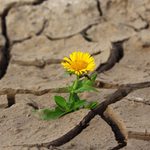
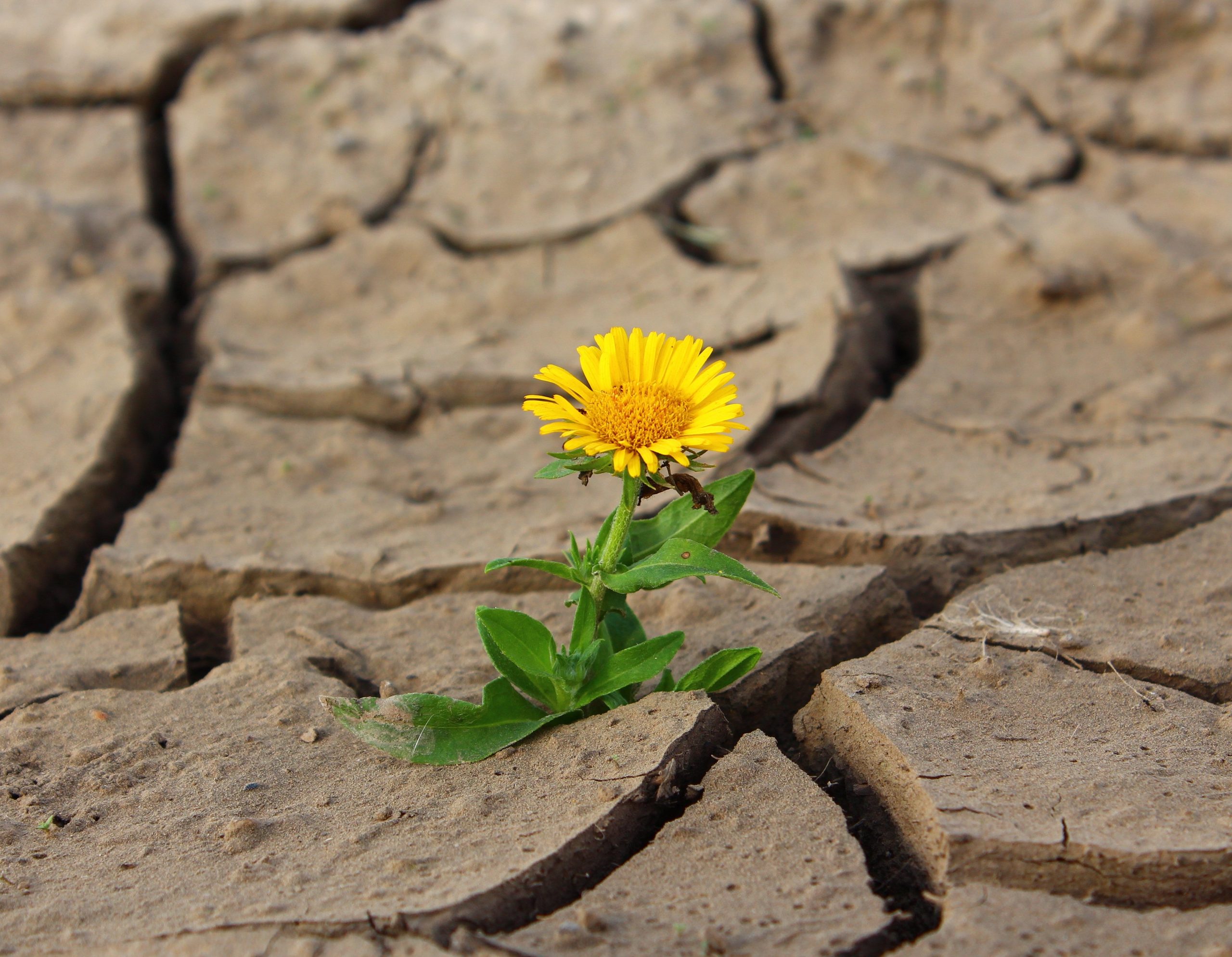
Here in the South-East of England we have been living with a feeling of aspects of Autumn around us since August. During our long, hot and dry summer, leaves have been blowing from the trees since July. It felt like a false autumn having come early. The stress of drought has caused the trees to shed their leaves early. This year’s cereal harvest is one of the worst in living memory; many farmers are fearing for their livelihoods.
The effects of the hottest and driest summer on record have been felt across the web of all life. Whole freshwater ecosystems have perished as streams and ponds dried up. Blackberries in our garden were ripe as early as June, small mammals and birds that rely on them will go hungry this autumn.
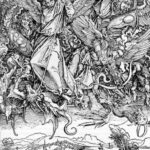
St Hildegard of Bingen (1098-1179, mystic and ‘Doctor of the Church’) frequently described ecological catastrophe as the result of human misdeeds: “The elements are, in fact, subject to humans… For when people confront one another in battle, in terrifying situations, in hatred, envy, or contrary transgressions, then the elements turn into a different and contrary mode, into heat or cold, or downpours and flooding. This derives from God’s primal ordinance, because God established that the elements should work according to human deeds.”
Perhaps we wouldn’t quite put it in these medieval theological phrases, but it seems to me that St Hildegard already in those days put her finger on something that we are often in danger of forgetting: how everything that we do is interconnected and thus has consequences.
Bernhard Schunemann (inspired by Ali Winstanley Channer)
4 October 2026