Pentecost
Pentecost (from Greek pentekoste, “fiftieth”, “of fifty days”) has its roots in the Jewish Festival of Shavuot or Weeks, which ended on the fiftieth day after Passover.
שָׁבוּעוֹת
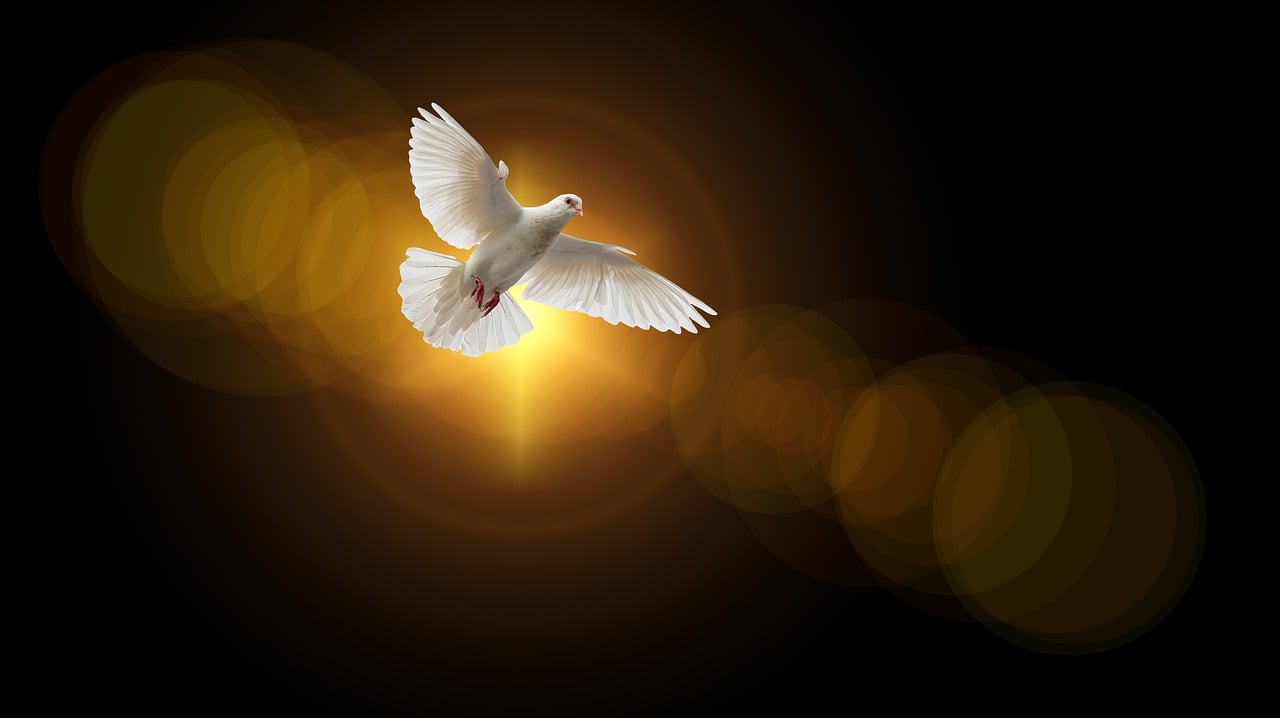
The Jewish Festival of Shavuot commemorates the gift of the Torah in the desert of Sinai; God lives among his people in the form of his word. In this respect Shavuot can be compared with the Christian festival of Pentecost, when Christians celebrate God’s new presence in the person of the Holy Spirit.
On the fiftieth day of Easter, God sends his Holy Spirit to enable the Church to fulfil the mission entrusted to her by the risen Christ. Pentecost celebrates both the Holy Spirit and the birthday of the Christian church. It was originally the crowning and conclusion of the Easter season. After the Easter Vigil, Pentecost was a preferred occasion for baptism in the early Christian centuries and Pentecost services also reflect this baptismal theme. Christ’s disciples are born again of water and the Spirit. The risen Lord is no longer present to the Church in the body of his flesh; the church is now to be the new body of Christ, filled with his life through the gift of the Spirit.
Timothy Radcliffe adds: the Spirit drives people out of their comfort zone into the wider world of God’s friends.
Bernhard Schunemann
8 June 2025